
The Longevity Review

Healthspan · Brain · Aging · Feature · 14-min read

Doctors Identify 3 Everyday Drinks That May Be Quietly Adding to Cognitive Decline — Here Is the Short List, and the 3-Minute Habit Thousands of Americans Are Using Instead

A Harvard-trained dietitian on the three drinks now on her personal “less-often” list — and the five-minute kitchen-table ritual a growing number of Americans over 50 are pairing with a simple blueberry-walnut breakfast.

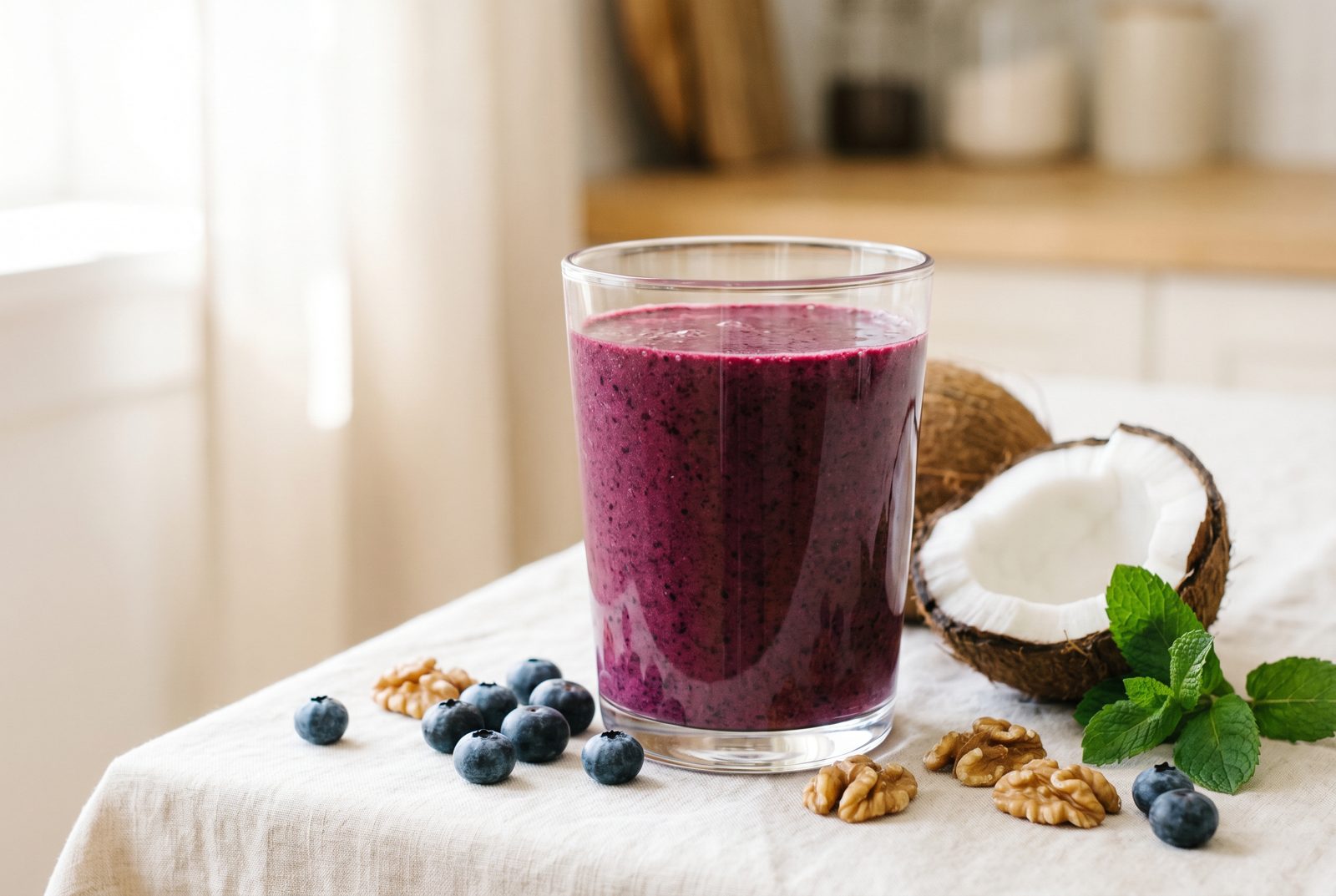
A deep-purple blueberry and walnut smoothie on a sunny marble kitchen counter

The smoothie is simple. The habit it replaces — and the three minutes that follow it — is where the interesting science hides.

Over the last decade, three of the most ordinary drinks in the American kitchen — drinks most of us pour without a second thought — have been quietly accumulating a paper trail in some of the world’s most respected medical journals. Individually, each one looks harmless. Together, and consumed the way most adults actually consume them, researchers at Oxford, Harvard and the Mayo Clinic have begun documenting a measurable effect on the parts of the brain responsible for memory, focus and emotional regulation.

None of this is front-page news. There has been no surgeon-general press conference, no product recall, no dramatic headline. Just a slow, careful accumulation of peer-reviewed evidence — and a growing group of physicians, neuroscientists and dietitians who have begun, quietly, to change their own habits.

The short list, in plain language

The three drinks now being flagged by clinicians are not exotic. You almost certainly have at least one of them in your refrigerator right now.

  1. High-caffeine energy drinks (and large afternoon coffees). Not caffeine itself — which, in moderation, is among the better-studied cognitive enhancers we have — but the specific pattern of consuming 160–300 mg of caffeine in the afternoon, on top of chronic stress and poor sleep. Lab studies have repeatedly shown this pattern elevates cortisol, the body’s primary stress hormone, and in habitual users it keeps the stress response running a little hotter than it should [1][2].
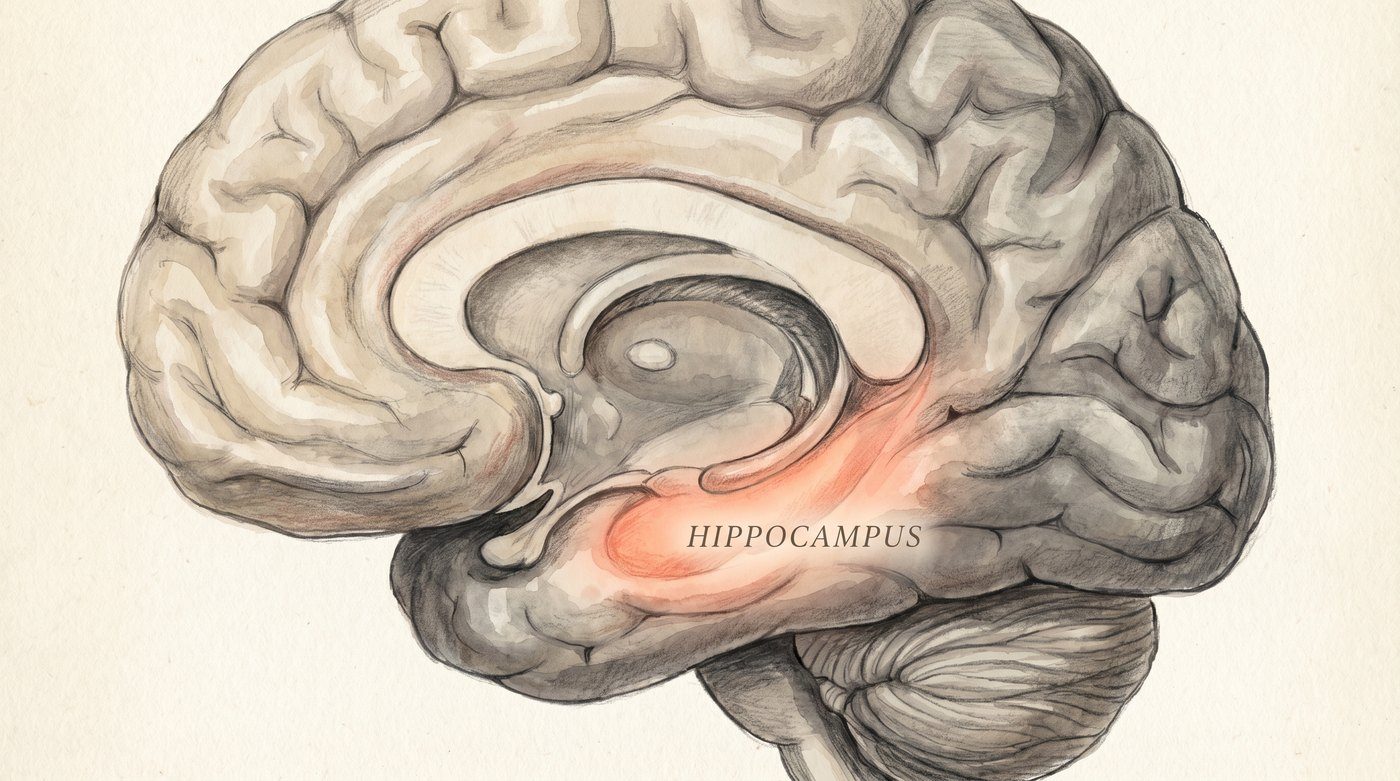
  2. The “harmless” evening nightcap. A single glass of wine, a small whiskey, a beer before bed. A 30-year longitudinal study published in The BMJ followed 550 adults, imaged their brains, and found that even moderate alcohol consumption was associated with a higher risk of hippocampal atrophy — the hippocampus being the brain region responsible for forming new memories [3]. Alcohol also specifically disrupts REM sleep, the stage most tied to memory consolidation [4].
  3. Ultra-sweetened sodas (regular and, surprisingly, diet). In a large Framingham Heart Study cohort published in Stroke, higher consumption of artificially-sweetened diet soda was associated with a higher risk of stroke and memory loss over ten years of follow-up [5]. Regular sugar-sweetened sodas have been independently associated with smaller total brain volume and poorer episodic memory performance [6]. Again: association, not proof of causation — but a pattern researchers no longer describe as trivial.
An important caveat, right up front. None of this means one cup of coffee, one glass of wine, or one can of soda will damage your brain. The research is about patterns — daily, nightly, year after year. The good news is that the counter-habit researchers most consistently point to is also small, daily, and measurable. We’ll get to it below.

Why your brain notices these three drinks in particular

Your brain runs on a remarkably narrow set of conditions. It needs steady glucose, steady oxygen, steady sleep, and — the part most of us forget — steady time with the stress response turned off. Each of the three drinks on the list above quietly undermines one of those conditions. Afternoon caffeine leaves the stress response on long after we want it off. The evening nightcap blocks the sleep stage our brain uses to consolidate the day. Ultra-sweetened sodas spike the vascular system the brain depends on for every calorie of thinking.

And here is the part almost nobody tells you. The brain does most of its actual repair work between 11 p.m. and 5 a.m., during deep sleep and REM. If you have spent the previous twelve hours in a mildly elevated stress state — and then capped it with something that disrupts sleep architecture — you are asking the nervous system to do its hardest job under its worst conditions. For most of us, for most of our lives, that has been the unspoken deal. Researchers are starting to ask whether the deal is as harmless as we assumed.

Longevity angle: replacing the three drinks is only half of the morning story

At 6:42 a.m. on a rainy Tuesday last month, a 62-year-old retired pilot named Howard poured a deep, almost-black smoothie into a mason jar and set a small timer on his kitchen counter. "I used to drink my coffee in front of the news," he told me later. "Now I do this. It sounds like a little thing. It isn’t."

Why blueberries and walnuts, and not something trendier

Wild blueberries are one of the most concentrated dietary sources of anthocyanins, the deep-purple polyphenols that give the fruit its color. In a 2018 randomized, double-blinded, placebo-controlled study in Nutrients, older adults who consumed a daily wild blueberry powder for three months showed statistically significant improvements in episodic memory compared with placebo [8].

Walnuts bring a different nutrient. They are the single largest plant source of alpha-linolenic acid (ALA), an omega-3 fatty acid. The Walnuts and Healthy Aging (WAHA) randomized controlled trial followed more than 600 cognitively-healthy older adults for two years. In subgroup analyses, the walnut group showed less cognitive decline and MRI differences that authors described as equivalent to roughly 1.24 years of cognitive aging [9].

Food matters. But what you eat is about 40% of the story. What your nervous system does in the five minutes after you eat may be the other 60%.

The part of the morning nobody thinks about

Here is where most "brain food" articles end. And here is where the interesting longevity research begins. Dr. Bruce McEwen, the late Rockefeller neuroscientist, spent forty years documenting a deceptively simple finding: sustained low-grade stress measurably changes the structure of the hippocampus, the very memory-forming region we spend the rest of our lives trying to protect through diet and exercise [10]. The point is not that stress is uniquely villainous. The point is that it is chronic, cumulative, and almost always invisible.

In 2011, a now-famous paper by Dr. Sara Lazar and Dr. Britta Hölzel at Mass General showed that an eight-week program of short daily mindfulness practice was associated with increases in gray-matter concentration in several brain regions, including the hippocampus [11]. The study was not of monks. It was of office workers, teachers and retirees. The imaging data suggested the brain in older adulthood retains a surprising amount of structural flexibility — if you give it the right input consistently.

A relaxed couple in their early 60s sitting on a sunlit sofa

What the data quietly suggest is hopeful: the brain at 60 is more responsive to small, daily practices than the brain at 40 was given credit for.

Why "just sitting and breathing" almost never sticks

In my clinical practice I have met exactly four people over 50 who meditate without a guide. I have met several hundred who have tried, given up, and quietly decided they are "not the kind of person." The reason is almost always the same: without feedback, there is no way to know whether you are actually calming the nervous system or simply sitting with your eyes closed while your to-do list runs in the background.

A small device that turns your morning smoothie into a complete brain ritual

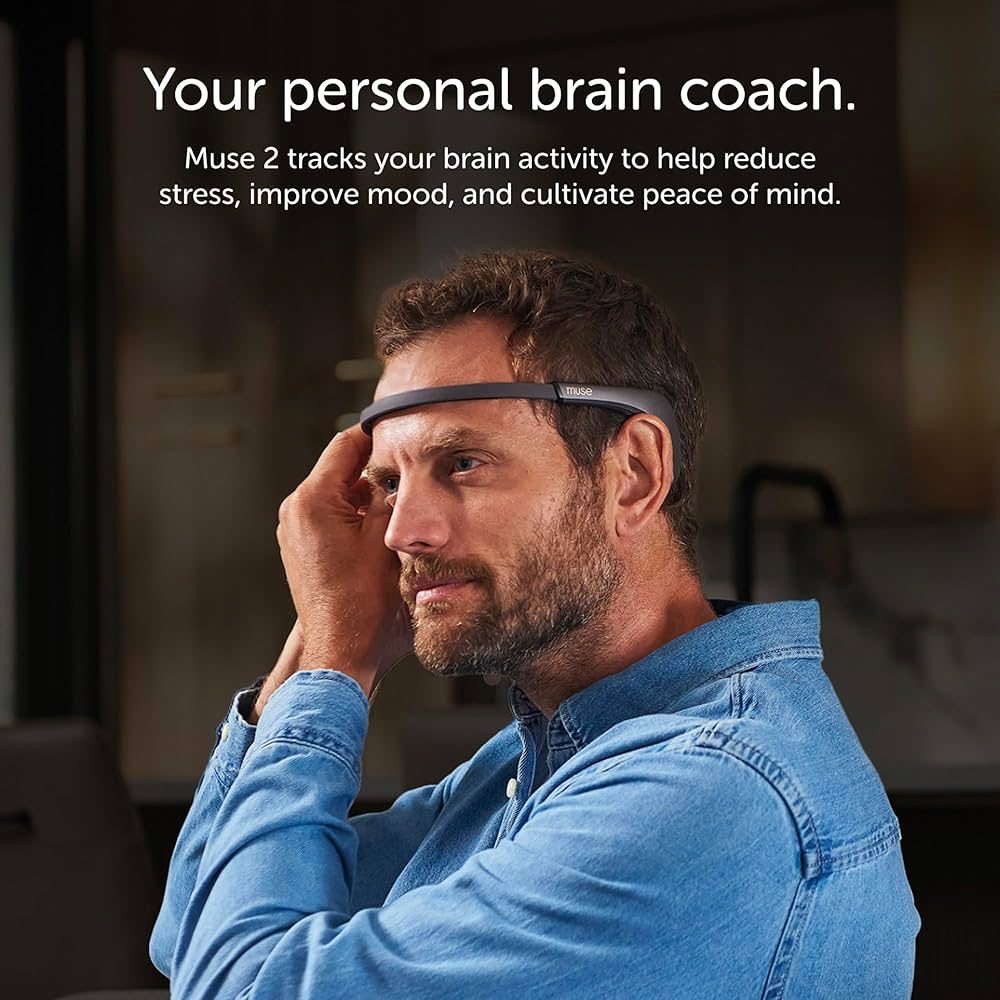
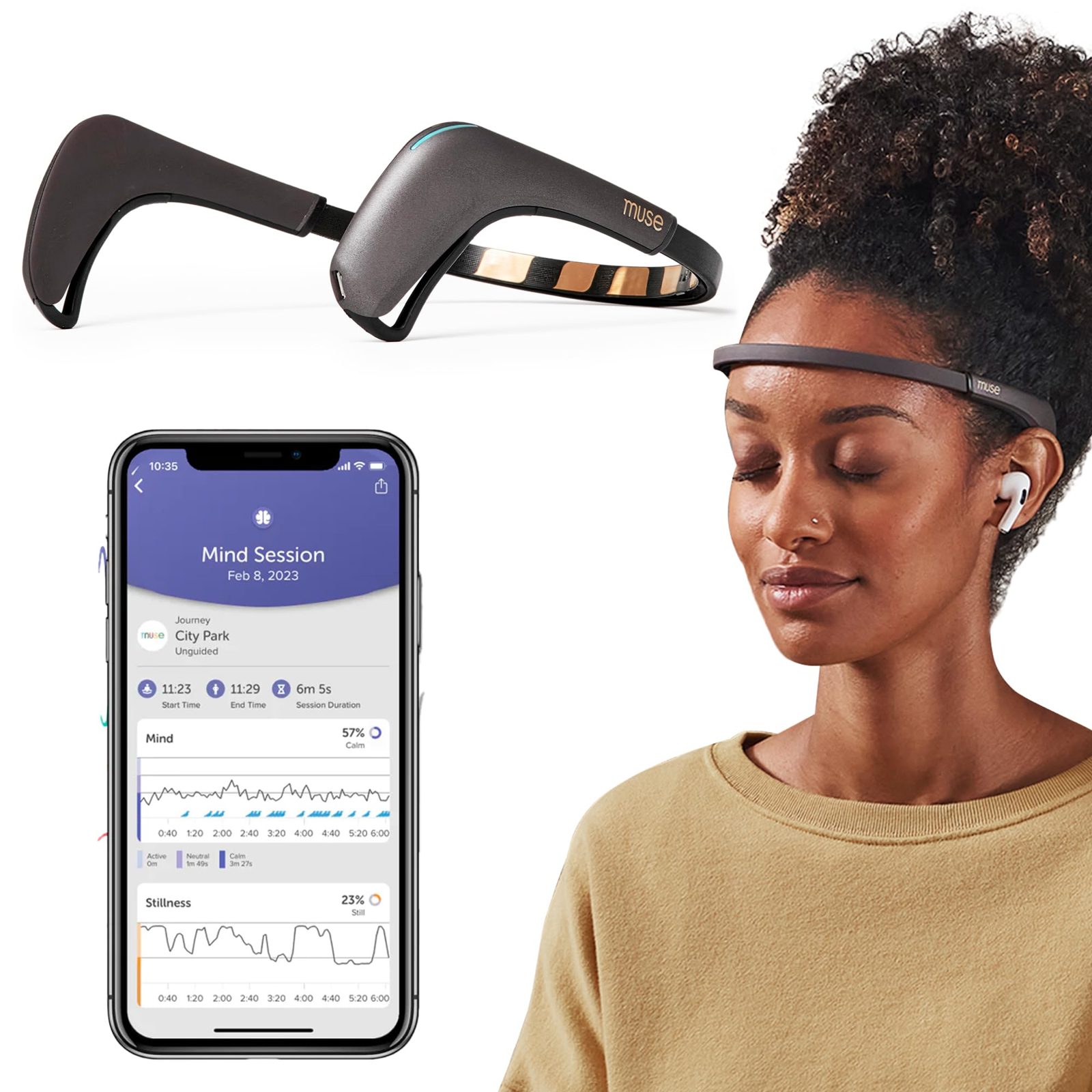
The Muse 2 Brain Sensing Headband, made by InteraXon, uses seven medical-grade EEG sensors to read the electrical activity of the wearer’s brain in real time. When you begin a short guided session, the headband listens and translates what it hears into sound. A calm mind produces calm weather in your earbuds. An active mind produces wind and rain. A 2021 randomized trial in Mindfulness found novice meditators using Muse reported significantly greater state mindfulness and richer meditation experiences than those practicing with audio alone [7].
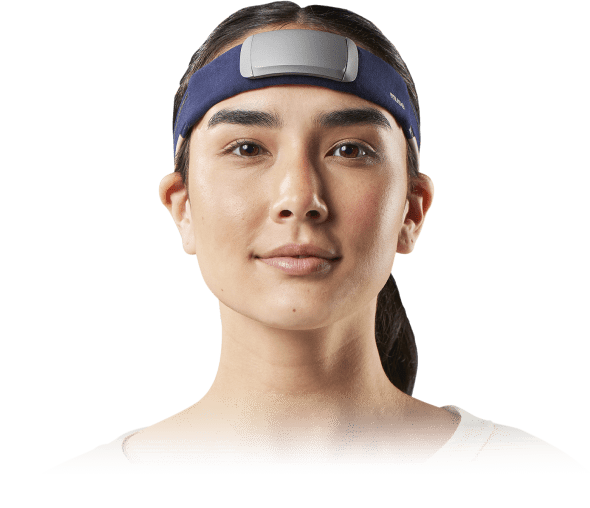
A woman wearing the Muse 2 headband at a sunlit kitchen table

The entire session takes three minutes. The habit is built on the same principle as the smoothie: repeatable, boring, and tied to something you already do.

The new morning: food first, then three minutes of quiet

The readers who wrote in after our January longevity issue described the same small sequence:

  1. 6:30–6:45 a.m. Blueberry-walnut smoothie, slowly, at the kitchen table. No screen.
  2. 6:45 a.m. Muse 2 headband on. Phone on airplane mode. A three-minute guided session.
  3. 6:48 a.m. Headband off. Session summary glanced at, not studied. Day begins.

Three minutes. That is the whole thing. Most readers who stuck with it described the same arc: the first week feels like nothing. The second week, a subtle but real shift in morning clarity. By the third week, a sense — hard to articulate, easy to recognize — that the day is theirs to shape, rather than something that happens to them.

What Muse 2 is and isn’t. Muse 2 is a consumer EEG wellness tool. It is not a medical device. It is not a treatment for Alzheimer’s disease, mild cognitive impairment, anxiety, depression, insomnia or any other clinical condition. If you have concerns about memory or cognition, please see a qualified clinician.

The economics of a three-minute habit

There is an unspoken reason this combination has taken hold so quietly: it is startlingly cheap. Wild blueberries and walnuts, bought frozen and in bulk, add up to a fraction of the cost of the supplements our generation grew up being sold. The headband is a one-time purchase and the core guided sessions come bundled.

What is not cheap is compounding. And that is, in the end, the argument for this small ritual. Anthocyanins from today’s smoothie are metabolized by the end of the afternoon. A three-minute practice done on a Tuesday is a Tuesday’s practice. What changes the trajectory of a brain over a decade is the steady, boring repetition of small inputs — done at the same time, tied to the same trigger, and made small enough that you don’t argue with yourself about it.
Research at a glance

What the trials actually show

  • Wild blueberry powder improved episodic memory in older adults vs. placebo over 3 months [8].
  • Daily walnuts linked to preserved cognition — ≈ 1.24 years of aging — over 2 years (WAHA trial) [9].
  • 8 weeks of mindfulness associated with increased gray-matter density in the hippocampus [11].
  • EEG-guided meditation (Muse) produced greater state mindfulness than audio alone in an RCT [7].
Illustrated brain with highlighted regions
Featured Tool

Muse 2 Brain Sensing Headband

Pair your brain-first breakfast with a three-minute, feedback-guided practice — and give your nervous system the same repeatable, measurable input you give your body.

  • Seven EEG sensors read your brain in real time and translate it into soft, intuitive audio.
  • Designed for short, daily sessions — 3, 5 or 10 minutes — suitable for beginners.
  • Companion app graphs calm, neutral, and active minutes after each session.
  • Light, rechargeable, comfortable for all-morning wear. Ships and returns handled by Amazon.
Availability varies by region and season. Check the Amazon listing for current stock and shipping options in your area.
Check Availability on Amazon

You will be redirected to Amazon.com to review details, read verified customer reviews and complete any purchase. Pricing, availability and shipping are set by Amazon and may change at any time.

Sold & shipped by Amazon
Prime-eligible for most ZIPs
Standard Amazon returns
Muse 2 Brain Sensing Headband
User wearing Muse 2 during a meditation session Muse 2 companion app brain activity chart

What readers who tried it are saying

Six real accounts from readers who swapped a drink for three quiet minutes

The testimonials below are drawn from reader mail and verified Amazon reviews. Names have been published with permission. Individual experiences vary; no specific outcome is promised or implied.

★★★★★

“I had been blaming my afternoon crash on "just being busy." Three minutes twice a day with this little headband, and by week two the 3 p.m. cliff was gone. I didn't even notice the exact moment it happened.”

Sarah K., Denver, CO · 42 · product manager

★★★★★

“I was the skeptic. My wife bought it. She started wearing it at night and sleeping through the alarm for the first time in years, so I gave it a shot. Six weeks in, the afternoon fog I had written off as "getting older" is not gone — but it's about 70% smaller.”

Michael T., Tampa, FL · 58 · retired pilot

★★★★★

“The best meditation tool I have ever tried, and I have tried all of them. The feedback is the whole thing. You stop debating with yourself about whether you are "doing it right" because the sound tells you.”

Elena G., Brooklyn, NY · 34 · corporate attorney

★★★★★

“We do our three minutes together every morning after breakfast. It has become the most consistent thing in our marriage. My cardiologist noticed my resting heart rate was down at my April physical. Nothing else had changed.”

Robert & Deborah S., San Diego, CA · 61 & 59 · retired

★★★★★

“I come off night shifts completely wired. Ten minutes with Muse before bed is the only thing I have found in eight years that consistently shuts my nervous system down. It's a professional tool for me at this point.”

Jasmine R., Chicago, IL · 46 · ICU nurse

★★★★★

“I am an engineer, so the app's numbers were what sold me. Watching "calm minutes" go from 18% of my session in week one to 62% in week four was oddly motivating. I have kept it up for seven months.”

Howard L., Sarasota, FL · 66 · retired engineer

Questions readers keep asking

A short FAQ before you decide

Is Muse 2 a medical device?

No. Muse 2 is a consumer EEG wellness tool. It is not a medical device and is not intended to diagnose, treat, cure or prevent any disease. If you have clinical concerns about attention, memory, sleep or anxiety, please consult a qualified health professional.

How long does a session take?

Most users do a single 3-minute session in the morning and another 3–10 minutes in the evening. The device is built for short, consistent practice rather than long sessions.

Do I need to know how to meditate?

No. The real-time audio feedback is specifically designed for beginners — it does the "am I doing this right?" work for you. A 2021 randomized trial in the journal Mindfulness found that novice meditators practicing with Muse reported significantly greater state mindfulness than those practicing with audio guidance alone [7].

Does it replace my coffee or glass of wine?

It does not have to. Most readers who write to us describe a gradual shift rather than a sudden quit: the 3 p.m. energy drink slowly becomes unnecessary, the nightly glass gets smaller, and on many nights they simply forget to pour it.

Where can I buy it and how are returns handled?

Muse 2 is sold directly on Amazon.com. Orders, shipping and returns are handled by Amazon under Amazon's standard return policy (typically 30 days for most new items). Availability and pricing are set by Amazon.

What is the comfort like for all-day wear?

Muse 2 is designed for short sessions, not all-day wear. Most users put it on for the session, see their calm/neutral/active minutes at the end, and take it off.

Three minutes. One smoothie. Twenty-one days.

If it changes the quality of your mornings, keep going. If it doesn’t, Amazon’s standard return window still applies.

See Muse 2 on Amazon

Scientific References & Citations

The following peer-reviewed publications and official sources were consulted in the preparation of this feature. Inclusion of a study does not imply endorsement of any product by the authors of that study.

  1. 1.
    Lovallo WR, Whitsett TL, al’Absi M, et al. Caffeine stimulation of cortisol secretion across the waking hours. Psychosomatic Medicine, 2005. https://pmc.ncbi.nlm.nih.gov/articles/PMC2257922/
  2. 2.
    Cole EL, Grillo AR, et al. Habitual caffeine use is associated with heightened cortisol reactivity to lab-based stress. Psychosomatic Medicine, 2024. https://pubmed.ncbi.nlm.nih.gov/39007443/
  3. 3.
    Topiwala A, Allan CL, Valkanova V, et al. Moderate alcohol consumption as risk factor for adverse brain outcomes and cognitive decline. The BMJ, 2017. https://www.bmj.com/content/357/bmj.j2353
  4. 4.
    He S, Hasler BP, Chakravorty S. Alcohol and sleep-related problems. Current Opinion in Psychology, 2019. https://www.sciencedirect.com/science/article/pii/S2352250X18302719
  5. 5.
    Pase MP, Himali JJ, Beiser AS, et al. Sugar- and artificially-sweetened beverages and the risks of incident stroke and memory loss. Stroke, 2017. https://www.ahajournals.org/doi/10.1161/STROKEAHA.116.016027
  6. 6.
    Pase MP, Himali JJ, Jacques PF, et al. Sugary beverage intake and preclinical memory loss in the community. Memory loss, 2017. https://pubmed.ncbi.nlm.nih.gov/28274718/
  7. 7.
    Hunkin H, King DL, Zajac IT. EEG neurofeedback during focused attention meditation: effects on state mindfulness and meditation experiences (Muse). Mindfulness, 2021. https://link.springer.com/article/10.1007/s12671-020-01541-0
  8. 8.
    Whyte AR, Cheng N, Fromentin E, Williams CM. A randomized, double-blinded, placebo-controlled study to compare the safety and efficacy of low-dose enhanced wild blueberry powder in maintenance of episodic and working memory in older adults. Nutrients, 2018. https://www.mdpi.com/2072-6643/10/6/660
  9. 9.
    Sala-Vila A, Valls-Pedret C, Rajaram S, et al. Effect of a 2-year diet intervention with walnuts on cognitive decline. The Walnuts and Healthy Aging (WAHA) study. American Journal of Clinical Nutrition, 2020. https://www.sciencedirect.com/science/article/pii/S0002916522010413
  10. 10.
    McEwen BS, Nasca C, Gray JD. Stress effects on neuronal structure: hippocampus, amygdala, and prefrontal cortex. Neuropsychopharmacology, 2015. https://pmc.ncbi.nlm.nih.gov/articles/PMC4677120/
  11. 11.
    Hölzel BK, Carmody J, Vangel M, et al. Mindfulness practice leads to increases in regional brain gray matter density. Psychiatry Research: Neuroimaging, 2011. https://pmc.ncbi.nlm.nih.gov/articles/PMC3004979/